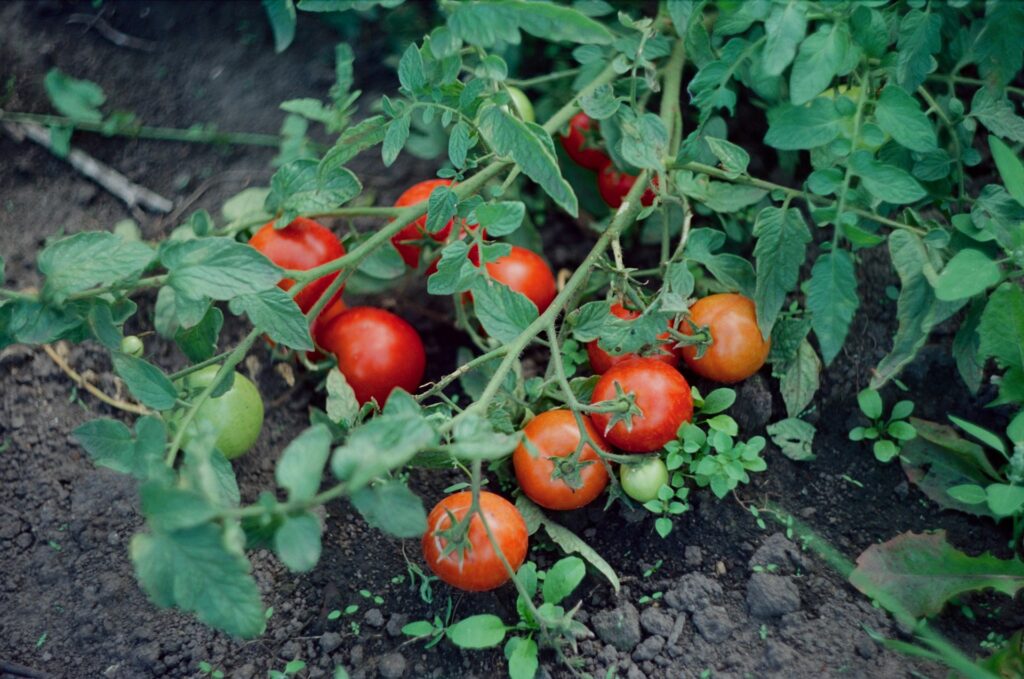
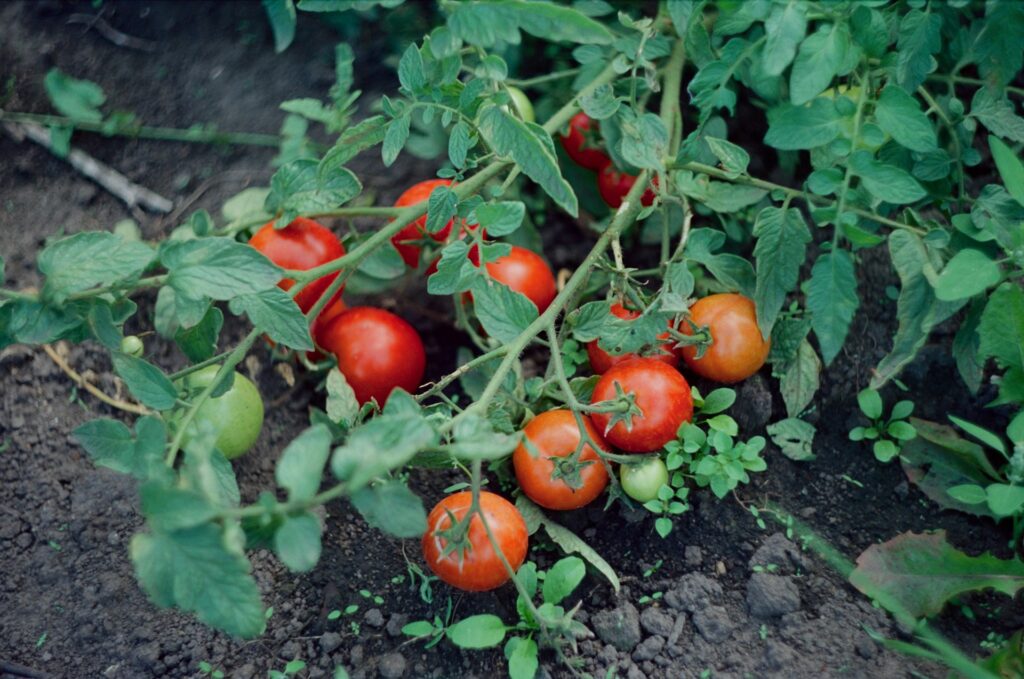
If you have ever grown a tomato plant only to bite into the fruit and find it watery, mealy, or bland, you aren’t alone. Many gardeners give up on growing their own because the result doesn’t taste much better than the supermarket.
The truth is, not all tomatoes are created equal. That beefsteak tomato you bought at the garden center might be bred for size and disease resistance, but often, flavor takes a backseat. If you want a tomato that bursts with acidity, sweetness, and that old-fashioned “tomato” flavor, you have to grow smarter, not just harder.
Here is how to grow tomatoes that actually taste like tomatoes.
1. Stop Growing “Supermarket” Varieties
The biggest mistake gardeners make is choosing the wrong plant. Most commercial tomatoes are bred to have thick skins and high water content so they survive shipping on a truck. They are not bred for flavor.
The Fix: Look for Heirloom or Hybrid Flavor varieties.
- Heirlooms: These are open-pollinated varieties passed down for generations. Look for ‘Cherokee Purple’ (rich and smoky), ‘Brandywine’ (classic tomato taste), or ‘Sun Gold’ (an incredibly sweet cherry tomato).
- Read the Tag: If the tag only talks about “disease resistance” and “high yield,” skip it. Look for tags that mention “sweet,” “complex,” or “juicy.”
2. Master the Art of “Dry Farming” (Water Stress)
This is the single biggest secret to flavor. If you water your tomatoes constantly, the fruit will plump up with water, diluting the sugars and acids. You get a big tomato, but it tastes like water.
The Fix: Cut back on water once the fruit sets.
- Once you see small green tomatoes forming, reduce watering.
- Let the top inch or two of soil dry out completely before watering again.
- This stresses the plant slightly, causing it to concentrate its sugars and flavor compounds in the fruit rather than expanding the cells with water. The result is a smaller, but intensely flavorful tomato.
3. Prioritize Soil Health (The “Sweet” Factor)
A tomato is only as good as the soil it grows in. Fast-release chemical fertilizers often lead to rapid growth of leaves and watery fruit.
The Fix: Use organic matter.
- Compost and well-rotted manure release nutrients slowly.
- Crucially, ensure your soil has enough Calcium and Potassium. Potassium is specifically linked to fruit quality and flavor formation. You can add greensand or kelp meal to boost potassium levels naturally.
4. Leave Them on the Vine
The commercial tomato is picked green and gassed with ethylene to turn red. This process destroys the development of the volatile compounds that create aroma and taste.
The Fix: Patience.
- Never pick a tomato early unless frost is threatening.
- A tomato is at its peak flavor only when it is fully colored and slightly soft to the touch.
- Ideally, pick it when the “joint” on the stem snaps easily, or when it falls into your hand with a gentle twist.
5. Grow Your Own Starts (If Possible)
Many nurseries sell popular varieties because they sell well, not because they taste best. If you start your own seeds, you have access to thousands of varieties that you will never see on a shelf.
The Fix: Order seeds.
- Look for specific flavor profiles in seed catalogs. If you like acidic tomatoes, try ‘Green Zebra.’ If you like low-acid sweets, try ‘Big Rainbow.’
Conclusion
Growing a tasty tomato requires going against the standard advice of “more water and more fertilizer.” By choosing varieties bred for flavor, stressing the plant slightly with less water, and waiting until the last possible moment to harvest, you can finally experience that true, homegrown tomato taste.
No comments yet. Be the first to share your thoughts!