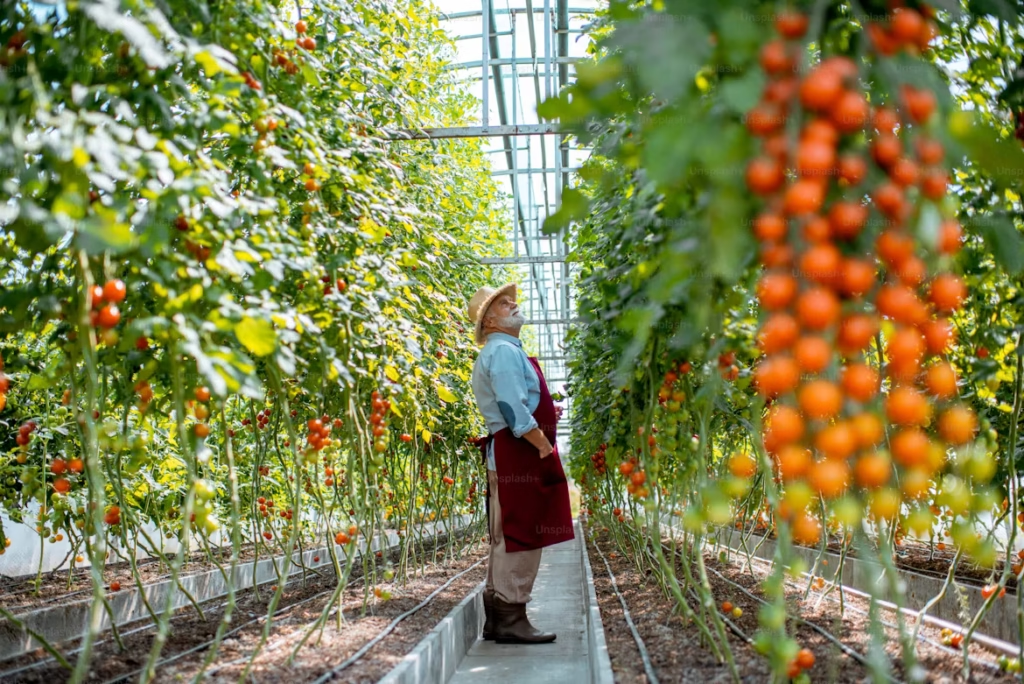
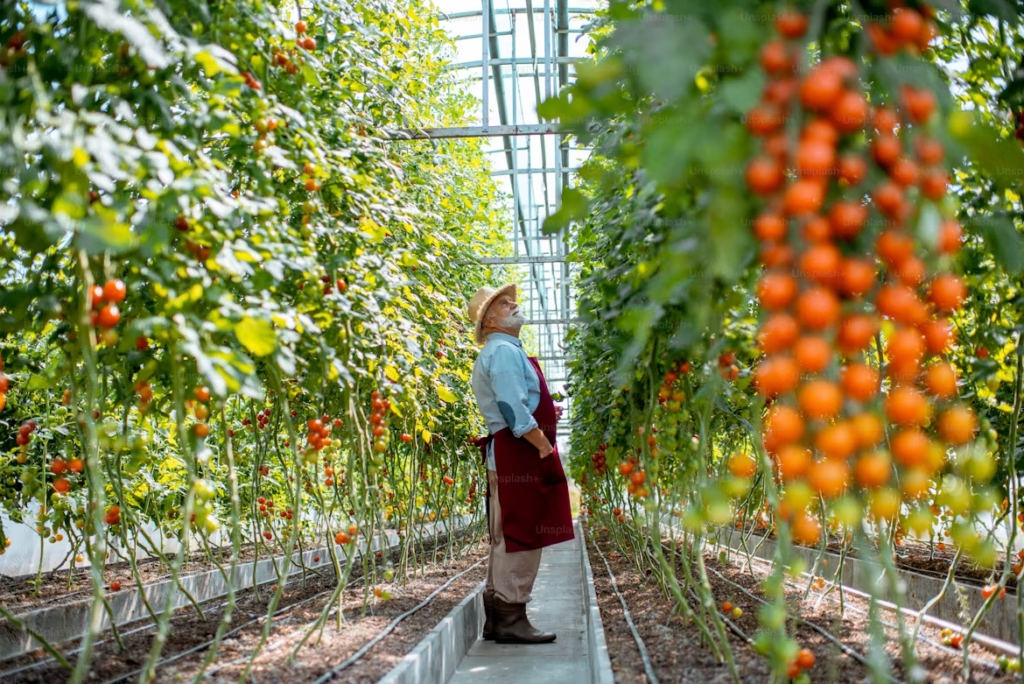
Tomatoes are the stars of the vegetable garden, but they are heavy feeders and prone to a variety of pests and diseases. If you grow them in isolation, you often end up doing constant battle with hornworms, aphids, and blight.
This is where companion planting comes in.
Companion planting is the practice of growing different plants together to achieve a mutual benefit. In the context of tomatoes, the right neighbors can repel bad bugs, attract beneficial pollinators, fix nitrogen in the soil, and even improve the flavor of your fruit. Instead of relying on chemical sprays, you are letting nature do the heavy lifting.
Here are the best companion plants for tomatoes and how to use them effectively.
1. Basil: The Flavor Booster
If there is one classic pairing in the gardening world, it is tomatoes and basil. It isn’t just for culinary purposes; they genuinely help each other grow.
- How it helps: Basil is known to repel thrips, whiteflies, and mosquitoes. Its strong aromatic oils mask the scent of the tomato plant, making it harder for pests to find their favorite meal.
- The Bonus: Many gardeners swear that growing basil within a foot of your tomato plants actually improves the flavor of the tomatoes.
- How to plant: Plant 2-3 basil plants near the base of each tomato stake. They enjoy the same warm soil and watering schedule.
2. Marigolds: The Pest Deterrent
Marigolds are perhaps the most famous companion plant, and for good reason. They are workhorses in the vegetable garden.
- How it helps: Marigolds produce alpha-terthienyl, a substance that is toxic to root-knot nematodes—microscopic worms that attack tomato roots and stunt growth. Additionally, their strong scent repels whiteflies.
- Pro Tip: To deter nematodes, you must plant the marigolds for a full season before planting tomatoes, or choose French Marigolds (Tagetes patula), which are the most effective variety.
- How to plant: Plant them around the perimeter of your tomato bed as a colorful “fence.”
3. Nasturtiums: The Trap Crop
Nasturtiums are beautiful, edible flowers with a peppery taste. However, in the tomato world, they serve a sacrificial purpose.
- How it helps: Nasturtiums act as a trap crop. Aphids and whiteflies love nasturtiums even more than they love tomatoes. They will flock to the flowers, leaving your tomato plants alone.
- The Bonus: They attract hoverflies, which are beneficial predatory insects that eat the aphids.
- How to plant: Sow nasturtiums in a pot near your tomatoes or at the corners of your bed. If you see the leaves covered in aphids, leave them be—they are doing their job by keeping the bugs off your tomatoes.
4. Borage: The Pollinator Magnet
Tomatoes are self-pollinating (they have both male and female parts in the same flower), but they need vibration (usually from wind or bees) to release the pollen.
- How it helps: Borage is an herb that produces star-shaped blue flowers that honeybees and native bumblebees absolutely adore. By attracting more bees to your tomato patch, you ensure better pollination and a higher yield of fruit.
- The Bonus: Borage adds trace minerals to the soil as it decomposes.
- How to plant: Borage can grow large and bushy. Plant it about 2 feet away from your tomatoes so it doesn’t shade them out.
5. Carrots: The Space Saver
Carrots and tomatoes are excellent root companions because they occupy different levels of the soil.
- How it helps: Carrots have a long taproot that breaks up the soil, improving drainage and aeration for the tomato roots nearby. Meanwhile, the tomato plants provide shade for the carrots, which prefer cooler soil temperatures. Tomatoes also produce a natural chemical called solanine, which deters the carrot root fly.
- How to plant: Sow carrot seeds early in the season around the base of your tomato plants. By the time the tomato plants grow large and bushy, the carrots will be maturing.
6. Garlic and Onions (Alliums): The Scent Maskers
Members of the onion family are excellent at confusing pests due to their pungent smell.
- How it helps: The strong scent of garlic, chives, and onions masks the scent of the tomato plant, making it difficult for pests like aphids and spider mites to locate their host. They also repel red spider mites.
- How to plant: These take up very little space. You can plant chives or garlic in between tomato plants without crowding them.
Plants to Avoid Near Tomatoes
Just as some plants help, others can hinder your tomato crop. Avoid planting these near your tomatoes:
- Cabbage, Broccoli, and Cauliflower (Brassicas): These heavy feeders compete with tomatoes for nutrients and water. They also inhibit the growth of tomato plants chemically.
- Potatoes: Potatoes and tomatoes are in the same family (Nightshade). If you plant them close together, you increase the risk of spreading blight, a fungal disease that can wipe out both crops overnight.
- Fennel: Fennel secretes a substance from its roots that inhibits the growth of almost all other plants. Keep it far away from the vegetable garden.
Planning Your Layout
When arranging your bed, think of it as a community.
- Center: Your tomato plants.
- Base: Plant basil and carrots.
- Perimeter: Plant marigolds and nasturtiums as a protective barrier.
- Nearby: Grow borage in a pot or the edge of the bed to draw in bees.
By using these companion plants, you are not just growing tomatoes; you are building a small ecosystem that supports itself, leading to healthier plants and tastier harvests with less work for you.
No comments yet. Be the first to share your thoughts!