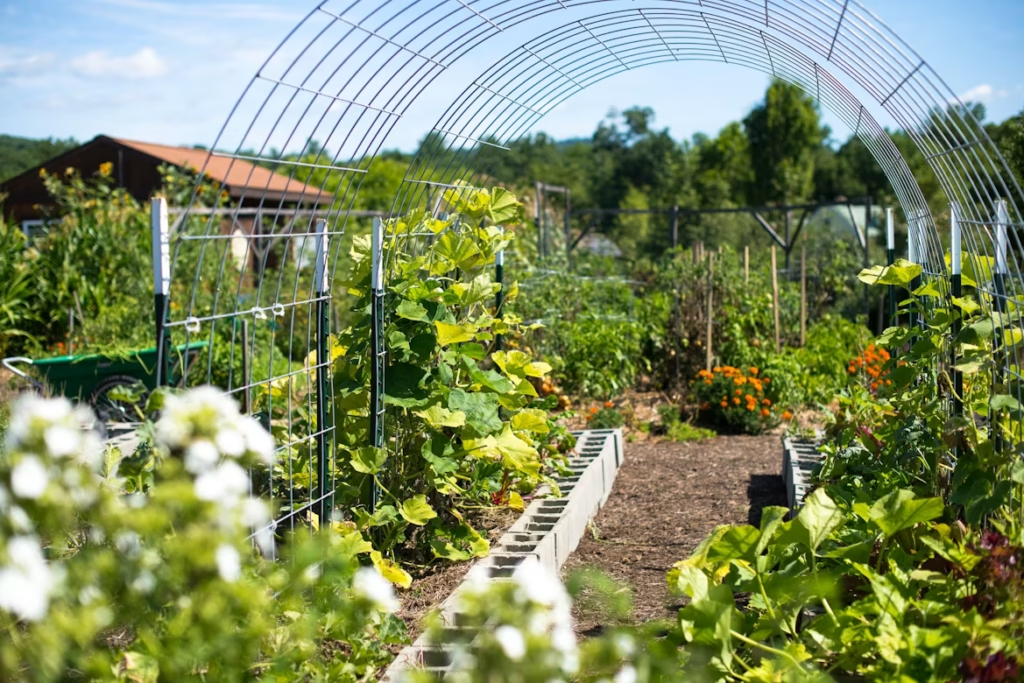
Homestead gardening is more than just a hobby; it is a practical step toward self-sufficiency. It focuses on growing your own food to support your household, using traditional skills with modern living to reduce reliance on external supply chains.
You do not need acres of land to begin. Whether you have a spacious backyard or a small urban plot, the core philosophy remains the same: producing fresh, healthy food while respecting the land.
In this guide, we will define what homestead gardening truly means. We will explore the key differences between standard gardening and homesteading, discuss essential planning steps for beginners, and help you start your first productive garden with confidence.
What Is Homestead Gardening? A Beginner’s Guide
Homestead gardening is simply growing your own food to help take care of your family. It is different from growing flowers just for looks.
The main goal here is production. You are planting things that you can actually eat, like tomatoes, carrots, or herbs.
It is also about using what you have. For example, instead of buying fertilizer, you might make your own compost from kitchen scraps. It is a practical way to get fresh food right from your backyard.
This type of gardening is not just about the plants, but about the skills you learn. A big part of homesteading is keeping what you grow. This means you don’t just eat a salad today; you learn how to preserve food to eat later. Common methods include:
Canning: Storing sauces and pickles in jars.
Freezing: Keeping beans or berries for the winter.
Drying: Making herbs or fruit leather.
This turns your garden into a year-round resource for your kitchen, not just a summer hobby. The best part is that you don’t need a big farm to start; you just need the desire to feed yourself.
Homestead Gardening vs. Regular Gardening
While both types of gardens involve growing plants, the “why” behind them is different. A regular garden often focuses on beauty, curb appeal, or relaxation. A homestead garden is more practical and focused on production.
Here is a quick look at how the priorities shift:
Gardening Approaches
Understanding different cultivation mindsets
That does not mean a homestead garden has to look messy or purely utilitarian. It can include flowers, native plants, pollinator habitat, and attractive paths. The difference is that beauty supports function rather than replacing it.
Benefits of Homestead Gardening
Homestead gardening is rewarding because it helps you build real food skills one season at a time. It is not just about the plants; it is about the lifestyle.
The best parts include:
- Super Fresh Food: There is nothing like eating a tomato or greens straight from your own yard.
- Saving Money: You spend less at the grocery store on herbs and seasonal produce.
- You Know What’s In It: You have total control over how your food is grown. No worrying about mystery chemicals.
- Less Waste: Kitchen scraps and garden leftovers turn into compost for next year instead of trash.
- Learning the Rhythm: You get to know your seasons, soil, and local weather patterns like a pro.
- Stocking Your Pantry: You get to try fun ways to save food, like freezing, drying, or canning.
- Peace of Mind: Even a small garden makes your kitchen feel more secure and resilient.
The important word here is “supplements.” Do not put pressure on yourself to grow all your food right away. A great first goal is just to grow a few things you already love to eat. Watch how your space behaves, learn as you go, and have fun improving your garden a little bit every year.
What Can You Grow in a Homestead Garden?
A beginner homestead garden usually works best when crops are chosen by household use, not by trend. Start with foods your family already cooks with and crops that fit your space, sunlight, and season.
Good beginner categories include:
- Quick crops: lettuce, spinach, radishes, arugula, green onions
- Kitchen herbs: basil, parsley, cilantro, thyme, rosemary, chives, mint in a pot
- Staple vegetables: tomatoes, peppers, beans, cucumbers, squash, carrots, potatoes
- Storage crops: onions, garlic, winter squash, potatoes, sweet potatoes where climate allows
- Perennial foods: strawberries, raspberries, rhubarb, asparagus, fruit trees, grapes
- Soil-supporting plants: cover crops, pollinator flowers, and plants for compost material
The best beginner crop list is local. A gardener in Minnesota, Arizona, Florida, and Pennsylvania will not plant the same crops on the same dates. Use your local gardening extension service, seed packets, and frost dates to choose timing.
The University of Minnesota Extension reminds gardeners that timing matters because every crop has its own temperature needs, and soil temperature is especially important for planting decisions.
It also points gardeners to the USDA Plant Hardiness Zone Map and local freeze-date tools when planning a vegetable garden: UMN Extension: Planting the vegetable garden.
How to Start a Homestead Garden Step by Step
The USDA National Agricultural Library describes the basics of starting a vegetable garden in six steps: planning, site selection, soil preparation, planting, maintenance, and harvesting. That same structure works well for a beginner homestead garden:
1. Decide what the garden should do for your household
Before you buy a single seed or build any beds, take a moment to define your goal. It is easy to get excited at the garden center and buy way too many plants. Having a clear plan keeps you from spending too much money or planting more than you can handle.
Think about what your kitchen actually needs. Pick a goal that fits your life. Here are some great examples:
- “I want fresh herbs and salad greens for dinner.”
- “I want tomatoes, peppers, and basil for summer cooking.”
- “I want storage crops like garlic, onions, potatoes, and winter squash.”
- “I want a small garden that teaches my family how food grows.”
- “I want to start composting and build healthier soil.”
For your first year, just pick one or two goals. This keeps things fun and manageable. You can always expand your garden next year once you get the hang of it.
2. Choose the best location
Most food crops need sun, water, and easy access to be successful. If you tuck your garden too far away from the house, it might get ignored when life gets busy. Often, a smaller garden right near your kitchen or back door does better than a huge garden in an inconvenient spot.
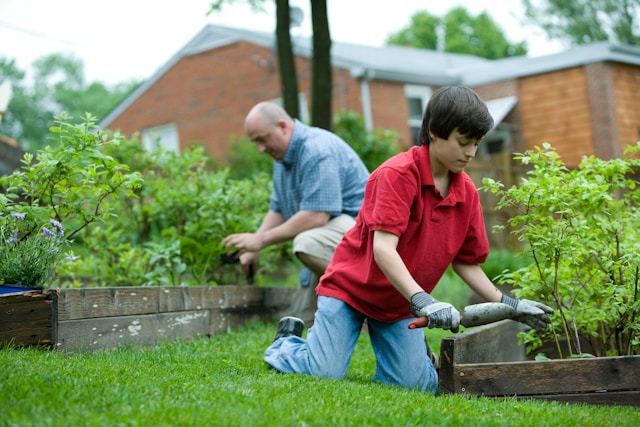
When looking for the perfect spot, check for these essentials:
- Plenty of Sun: Aim for at least 6 hours of direct sun for many vegetables. Warm-season crops like tomatoes love even more.
- Water Access: Make sure you can easily reach the spot with a hose or watering can.
- Good Drainage: Avoid low spots where water pools after a heavy rain; plants need soil that drains well.
- Space to Work: Leave room for paths, your tools, and a harvest basket so you don’t step on your plants.
- Protection: Think about deer, rabbits, or family pets. A spot near a fence or a busy area can help keep critters out.
- Away from Trees: Large trees have thirsty roots that steal water and cast too much shade. Give your garden some space.
Experts agree that sunlight and convenience are key. The University of Maryland Extension recommends placing your garden on level ground with full sun and close water access, ensuring you can reach every part of the garden easily.
Similarly, the Penn State Extension notes that heat-loving crops like tomatoes and peppers need at least 6 hours of sun in midsummer, though 8 to 10 hours is ideal for the best harvest. For more details on getting started, visit: Penn State Extension: Beginning a Vegetable Garden.
3. Start small
One of the biggest beginner mistakes is trying to do too much at once. A huge garden can quickly become a stressful chore if you aren’t ready for it. Your first homestead garden should be fun and educational, not a second job that overwhelms you.
A good first-year setup might be:
- Two to four raised beds: These are easier to manage than digging up a whole lawn.
- One small in-ground plot: A simple area to try growing crops directly in the soil.
- A row of containers: Perfect for keeping herbs and greens right near your kitchen door.
- A few grow bags: Great for potatoes, tomatoes, or peppers if you have limited space.
- One compost bin or pile: Start turning your scraps into free food for your garden right away.
Remember, keeping things small is not a failure. Small is how you learn the rhythm of your land. It gives you the time to understand watering, spot weeds early, handle pests naturally, and figure out the best time to harvest.
You will also discover what your family actually likes to eat. You can always grow more next year
4. Make a simple garden map
Sketch your space before planting. It does not have to be fancy. Mark where the sun is strongest, where water comes from, where paths will go, and where each crop will grow.
A simple map helps you:
- Avoid overcrowding plants
- Keep tall crops from shading short crops
- Rotate crop families next year
- Plan succession plantings
- Remember what was planted where
Keep this map with notes about planting dates, harvest dates, pest problems, and favorite varieties. Those notes become more useful every season.
5. Plant by season, not just by excitement
Many beginners plant everything on one warm spring weekend. Homestead gardening works better when planting is spread through the season.
Cool-season crops often include lettuce, spinach, peas, radishes, cabbage family crops, and some root vegetables. Warm-season crops include tomatoes, peppers, basil, cucumbers, squash, beans, melons, and eggplant.
The University of Minnesota Extension notes that some vegetables can be planted twice in a growing season, giving examples such as lettuce, radishes, and kohlrabi for a later fall harvest.
This is useful for homestead gardeners because the goal is not one big planting day. The goal is a steady, manageable flow of food.
Soil, Compost, and Water Basics
Soil is the foundation of a homestead garden. Healthy soil helps plants grow stronger, hold moisture better, and use nutrients more effectively.
Test your soil
A soil test is one of the smartest first steps you can take. It removes the guesswork. Without a test, you might spend money on fertilizers you don’t need or accidentally harm your plants by adding too much of a certain nutrient.
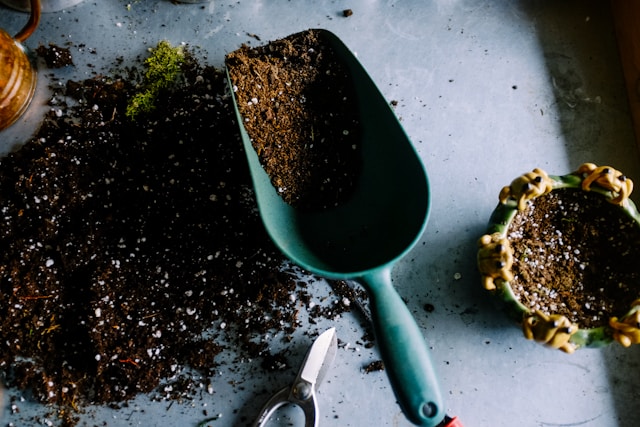
The University of Minnesota Extension recommends testing to determine exactly how much fertilizer or manure your garden needs. It explains that a test will tell you if you are missing key elements like lime, nitrogen, phosphorus, or potassium. This makes sure your plants get exactly what they need to thrive.
The Penn State Extension also emphasizes testing, noting that soil pH is critical. Even if nutrients are present in the soil, plants cannot absorb them if the pH is too low or too high.
Do not work soil when it is too wet
Patience is key when preparing your planting beds. If you dig or till wet soil, you can destroy its structure. The soil can become compacted and hard as a rock, making it very difficult for plant roots to grow later.
How do you know if it is dry enough? You can find that out with a simple test: grab a handful of soil and squeeze it.
If it stays in a tight muddy ball, or if it sticks heavily to your shovel or boots, it is too wet. If it crumbles apart into small pieces like chocolate cake, it is ready to work.
Add compost gradually
Compost is often called “gardener’s gold” because it brings your soil to life over time. It adds helpful organisms and improves the texture of the dirt, making it fluffy and easy to dig.
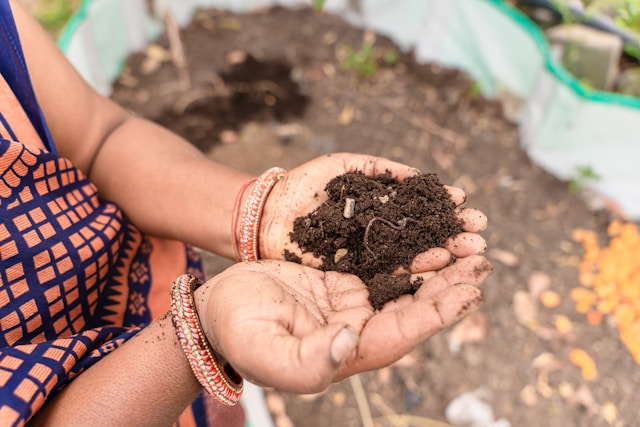
Good sources of compost include finished kitchen scraps, decomposed leaves (leaf mold), aged manure from a trusted source, or bagged compost from the store.
You can add compost to your beds before you plant, use it as a light “top-dressing” around growing plants, or mix it into new raised beds to fill them. However, don’t assume more is always better. Your soil still needs balance.
This is why that soil test is so helpful – it guides you on how much to add so you don’t overload the nutrients.
Mulch the garden
Mulching is like a protective blanket for your soil. A thick layer of mulch helps stop weeds from popping up, keeps the soil temperature steady on hot days, and slows down water evaporation so you don’t have to water as often.
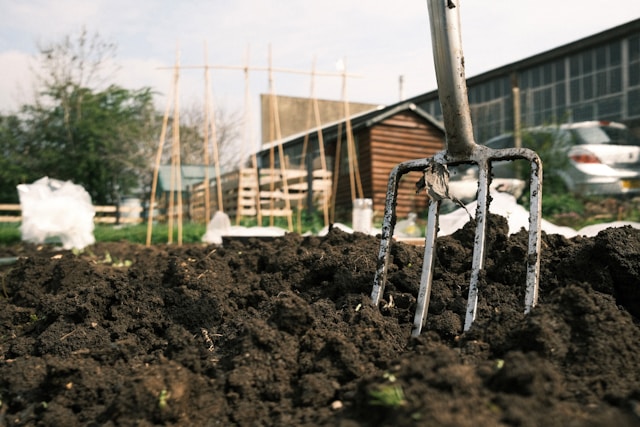
There are many great options for organic mulch. Straw is excellent for vegetable beds because it is lightweight and keeps fruit clean. Shredded leaves work wonders for retaining moisture.
You can also use thin layers of untreated grass clippings or wood chips (wood chips are best for paths or around perennial fruits).
One important tip: Keep the mulch a few inches away from the stems of your plants. If mulch touches the stem directly, it can trap moisture and cause rot or invite pest problems. Think “donut shape” around the plant, not a “volcano.”
Plan for watering
A homestead garden needs a reliable water plan. If watering is difficult, your plants will suffer as soon as the hot weather hits. Making it easy on yourself will save you a lot of stress later.
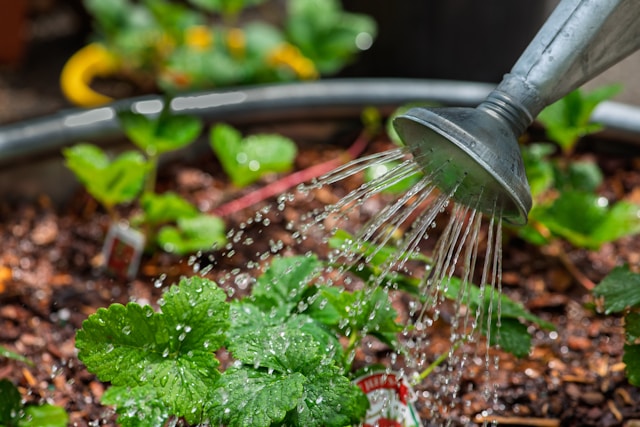
Here are some beginner-friendly ways to keep your garden hydrated:
- Hose with a wand: Gives you control and reach to water the soil gently without washing away seeds.
- Soaker hoses: Lay on the ground to leak water slowly to the roots, saving time and keeping leaves dry.
- Drip irrigation: Delivers water exactly where it is needed with very little waste.
- Watering cans: Essential for containers and hanging baskets where a hose won’t reach.
- Mulch: Covering soil with straw, wood chips, or leaves locks in moisture and stops evaporation.
- Rain barrels: Collect free water for your garden, if your local laws allow it.
Water deeply rather than giving plants a tiny sprinkle every day. This encourages strong roots. Keep in mind that containers and raised beds dry out faster than in-ground beds, so check them often.
Homestead Systems That Make the Garden Stronger
Homestead gardening is not only about crops. It is about building a small, repeatable system.
Composting
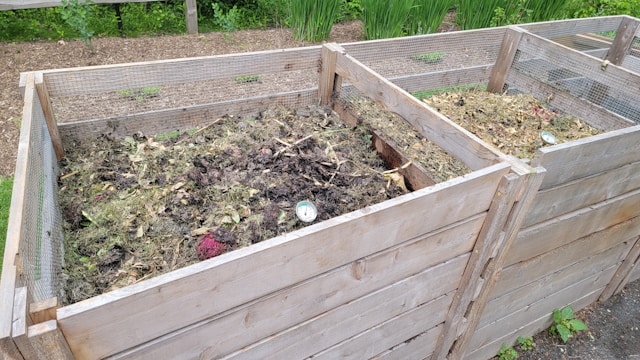
Composting turns leaves, plant debris, and some kitchen scraps into a soil-building material.
For beginners, the easiest approach is to collect “greens” such as fruit and vegetable scraps, coffee grounds, and fresh plant material. Then, mix them with “browns” such as dry leaves, shredded paper, straw, or small twigs.
Avoid adding meat, dairy, greasy food, diseased plants, or weeds that have gone to seed unless you know how to manage a hot compost pile.
Crop rotation
Crop rotation means not planting the same crop family in the same place every year. It helps reduce pest and disease pressure and supports better soil management.
USDA explains that crop rotation can be applied to small-scale food gardens and recommends making a plan to grow plant families in different parts of the garden in different seasons.
For a beginner, keep rotation simple. Group crops roughly by family:
- Tomatoes, peppers, eggplant, potatoes
- Beans and peas
- Cabbage, broccoli, kale, radishes
- Cucumbers, squash, melons
- Carrots, parsley, celery, parsnips
- Onions, garlic, leeks
Move these groups around each year when space allows.
Cover crops
Cover crops are plants grown to protect and improve soil rather than to harvest as a main crop. USDA notes that cover crops can be used in gardens and may help control erosion, suppress weeds, reduce compaction, increase moisture and nutrient content, attract pollinators, and support beneficial insects.
Common cover crops include oats, winter rye, clover, annual ryegrass, and radish. Choose cover crops based on your region and season, and learn how they should be terminated before planting vegetables.
Succession planting
Succession planting means planting more than once so the harvest does not come all at once. For example, you might plant lettuce every two weeks in spring, sow beans after early peas are finished, or plant a fall crop after summer garlic is harvested.
This is especially useful in small homestead gardens because it keeps beds productive.
Food preservation
A homestead garden becomes more valuable when you know how to use surplus. Beginners can start with simple preservation methods:
- Freeze chopped herbs in oil or water
- Dry herbs
- Freeze tomatoes for sauce later
- Refrigerator-pickle cucumbers or onions
- Store cured garlic, onions, potatoes, and winter squash properly
- Learn tested canning methods before water-bath or pressure canning
For food safety, use tested preservation guidance from extension services or the National Center for Home Food Preservation rather than random online recipes.
Beginner-Friendly Crops to Try First
The best crops depend on your climate, space, and eating habits. Still, these are often good beginner choices.
Herbs
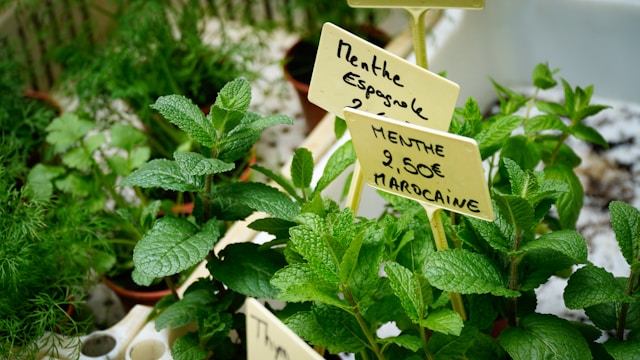
Herbs are one of the easiest ways to make your garden feel useful immediately. Basil, parsley, chives, cilantro, thyme, oregano, and rosemary can save you money because store-bought herbs are often expensive and spoil fast.
Always grow mint in its own container. If you plant it in the ground, it will spread aggressively and take over your garden.
Leafy Greens
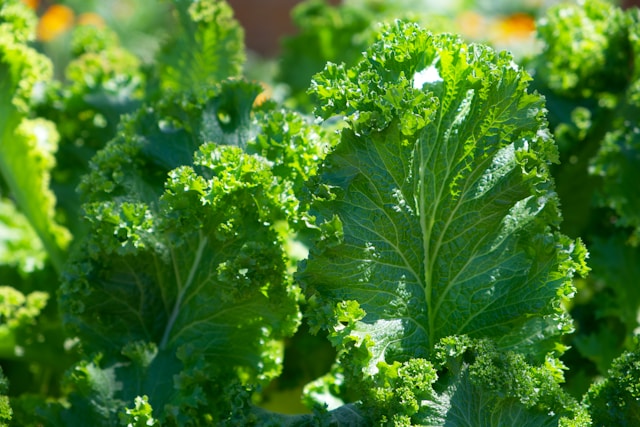
Lettuce, spinach, arugula, kale, and Swiss chard are wonderful because you can harvest the outer leaves and the plant will keep growing (called “cut-and-come-again”). Many of these prefer cooler weather, so plant them in spring or fall.
Plant a small batch every two weeks so you have a continuous supply instead of it all ready at once.
Beans
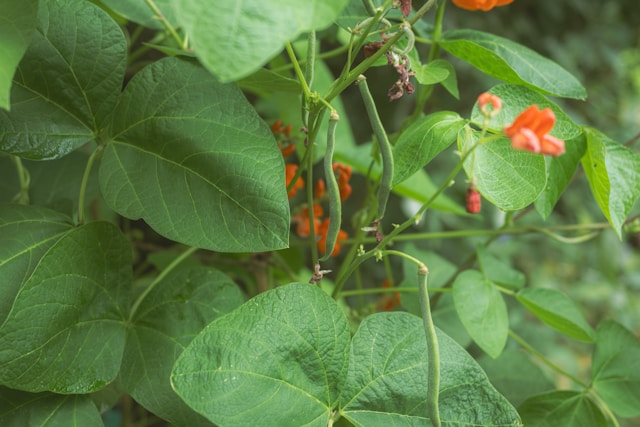
Beans are very productive and satisfying to grow. Bush beans are compact and don’t need extra support. Pole beans grow vertically on a trellis, which saves space and makes harvesting fun.
Plant beans after the danger of frost has passed and the soil has warmed up.
Tomatoes and Peppers
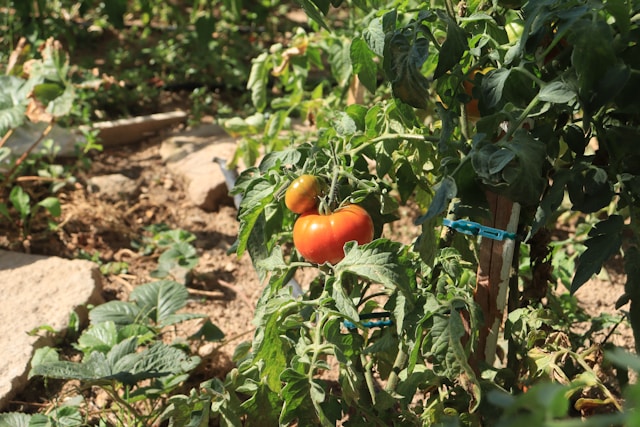
These are the stars of the summer garden, but they do need attention. They require plenty of sun, warmth, water, and support cages or stakes.
Start with just a few plants (3 or 4) rather than a dozen. Choose varieties that are known to grow well in your specific area.
Potatoes and Sweet Potatoes
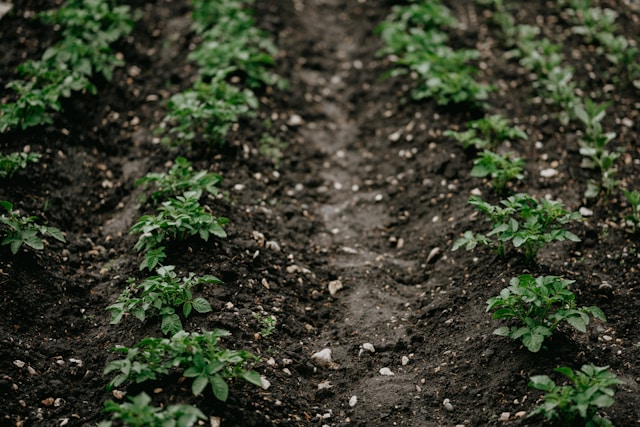
Growing potatoes is like digging for buried treasure – they are very satisfying for beginners. You can grow them in raised beds, rows, or specially designed grow bags. Just note that sweet potatoes need a long, warm season to do well.
Garlic and Onions
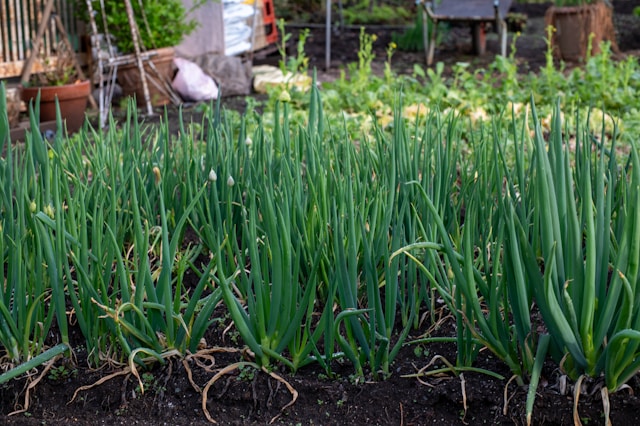
Garlic is a homestead staple because it stores for a long time and you use it often. In most regions, you plant garlic cloves in the fall, let them sleep through winter, and harvest them the following summer.
Squash and Cucumbers
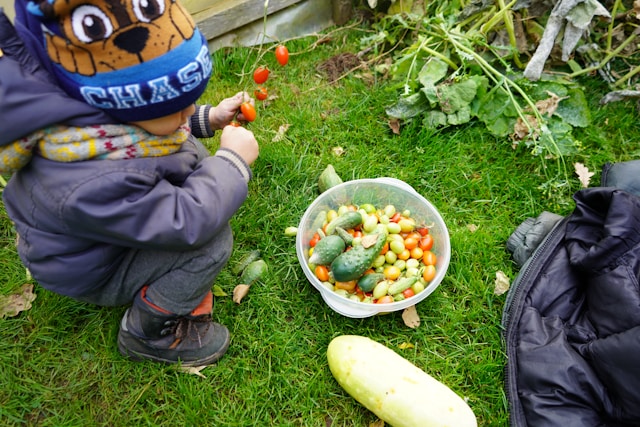
These plants can be incredibly productive (sometimes too productive!). They do need space to roam and regular checks for pests. Growing cucumbers on a trellis is a great way to save space in a small garden and keep the fruit clean.
Strawberries
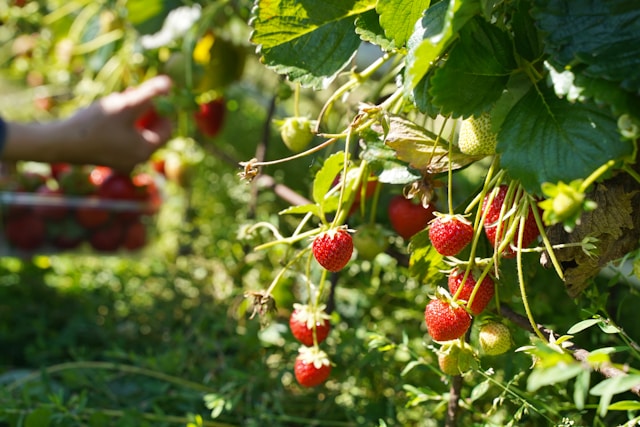
Strawberries are a perfect beginner-friendly perennial fruit. They grow well in beds or containers. While they might not feed your whole household by themselves, they are a delicious way to start learning about growing fruit that comes back year after year.
Common Mistakes to Avoid
Starting a homestead garden is an exciting journey, but it is easy to get tripped up early on if you don’t have a plan. Most beginners face the same challenges, but knowing what they are ahead of time can save you a lot of frustration.
Here are the most common pitfalls to watch out for so you can focus on growing.
Starting too big: A huge first-year garden can become discouraging. Start with a size you can weed, water, and harvest consistently.
Growing food nobody eats: A homestead garden should serve the household. If nobody likes kale, do not plant six varieties because they look productive online.
Ignoring soil: Healthy plants start with healthy soil. Test, compost, mulch, and improve gradually.
Planting at the wrong time: Warm-season crops planted too early can stall or die. Cool-season crops planted too late may bolt in heat. Use local frost dates and extension planting calendars.
Overcrowding: Tiny seedlings make it tempting to plant closely. Crowding reduces airflow, increases disease risk, and makes harvesting harder.
Forgetting water access: If the hose cannot reach, the garden will be harder to maintain. Solve watering before planting.
Skipping pest checks: Walk the garden often. Small pest problems are easier to manage than large ones.
Expecting full self-sufficiency immediately: Homestead gardening is a skill-building process. A successful first year might simply mean fresh herbs, steady greens, a few tomato harvests, better soil, and notes for next season.
First-Year Homestead Garden Checklist
Use this simple checklist to plan a small, realistic first garden. It takes you from the very first steps of planning all the way to putting the garden to bed for the winter.
- Choose one main purpose for your garden, such as fresh salads, summer salsa, or preserving herbs.
- List 5 to 8 foods your household actually eats on a regular basis.
- Map the sunniest part of your yard, patio, or balcony.
- Confirm you have easy access to a hose or water source.
- Choose a garden size you can comfortably maintain every week.
- Test your soil before adding fertilizer to in-ground beds.
- Add compost based on your soil’s specific needs.
- Choose crops that grow well in your region and current season.
- Plant cool-season and warm-season crops at the right time of year.
- Apply mulch after planting to keep moisture in and weeds down.
- Set up a basic compost system for kitchen scraps and yard waste.
- Take notes on planting dates, varieties, pests, harvests, and weather.
- Preserve your extra harvest or share it with friends and neighbors.
- At the end of the season, write down what to repeat and what to change next year.
Final Thoughts
Homestead gardening is not about doing everything at once. It is about building a useful food garden that fits your life, space, climate, and household needs.
Start with a few crops, good soil habits, reliable water, and a simple plan. Learn what grows well. Notice what your household actually uses. Save notes. Compost what you can. Add new skills slowly: seed starting, crop rotation, cover crops, food preservation, and perennial fruits.
A beginner homestead garden does not have to make you fully self-sufficient to be worthwhile. If it teaches you how to grow food, improves your soil, reduces waste, and puts even part of a meal on the table, it is already doing its job.
Frequently Asked Questions
People often have questions before starting a homestead garden, especially if they are new to growing food. Here are simple answers to common beginner questions.
No comments yet. Be the first to share your thoughts!